Your store is getting traffic, your ads are spending money, and people are visiting your product pages every day. Yet sales still feel unpredictable. That is the frustrating reality for many ecommerce brands right now. Rising acquisition costs, lower attention spans, and tougher competition are making growth harder than ever.
The good news is this: most stores do not actually have a traffic problem. They have a conversion and retention problem. The brands winning in 2026 are not always the ones spending the most on ads. They are the ones fixing the hidden leaks inside their customer journey and optimizing every touchpoint for revenue.
The right ecommerce growth strategies can increase profitability without doubling your marketing budget. From improving conversion rates to increasing customer lifetime value, sustainable growth comes from understanding what prevents shoppers from buying and removing that friction fast.
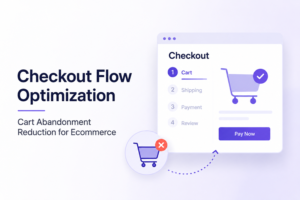
According to recent ecommerce benchmarks, average store conversion rates still hover around 2% to 3%, while cart abandonment remains close to 70%. That means most stores are losing revenue long before a customer reaches checkout. Learn more about ecommerce cost optimization and how reducing inefficiencies improves profitability.
Why Most Ecommerce Stores Struggle to Scale
Many brands focus heavily on traffic acquisition while ignoring the customer experience after the click. They increase ad spend before fixing weak product pages, confusing navigation, slow mobile performance, or poor checkout flows.
This creates a dangerous cycle:
- More traffic
- Same conversion rate
- Higher acquisition costs
- Lower profit margins
One of the clearest examples of this appears in stores with strong ad performance but weak repeat purchases. Without retention systems, every month starts from zero.
That is why successful brands focus on long-term ecommerce revenue optimization instead of chasing short bursts of traffic.
If you want deeper insight into revenue leaks, read about why ecommerce funnels leak revenue and proven approaches to ecommerce revenue optimization.
Ecommerce Growth Strategies That Actually Work
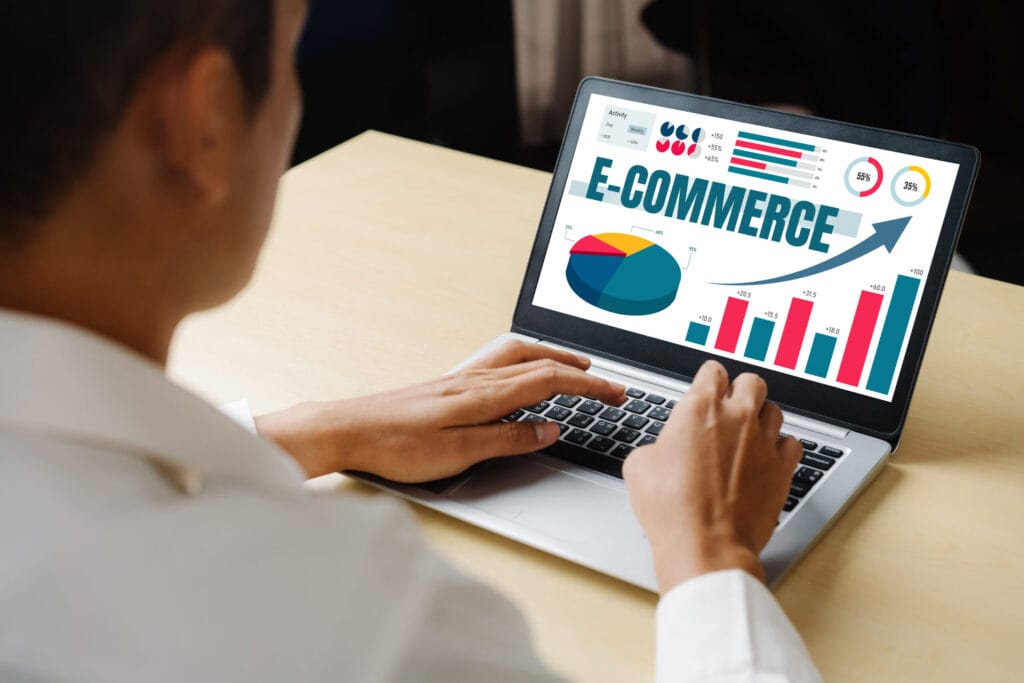
1. Improve Your Conversion Rate Before Scaling Traffic
Driving more visitors to an underperforming store only increases wasted spend.
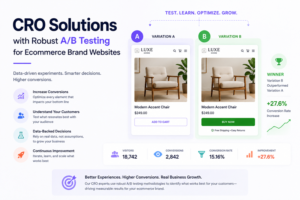
High-performing ecommerce brands obsess over conversion rate optimization because even small improvements compound revenue quickly. Research shows increasing conversion rates from 2% to 3% can reduce effective acquisition costs significantly.
Focus on fixing friction points such as:
- Slow-loading pages
- Weak product descriptions
- Lack of trust signals
- Complex checkout flows
- Poor mobile usability
Many stores also underestimate the power of clear product messaging. Customers need immediate answers to three questions:
- Why this product?
- Why now?
- Why should I trust this brand?
For practical tactics, explore these guides on improving ecommerce conversion rates and Shopify CRO strategies.
2. Increase Customer Lifetime Value
The fastest-growing ecommerce brands maximize revenue from existing customers instead of relying entirely on new acquisitions.
Improving customer lifetime value creates predictable growth because repeat buyers spend more frequently and convert faster.
Some of the most effective ways to increase lifetime value include:
- Personalized product recommendations
- Loyalty programs
- Subscription offers
- Post-purchase email flows
- Replenishment reminders
Brands like Sephora and Amazon have built massive retention systems around personalization and loyalty-driven experiences. Smaller ecommerce stores can apply the same principles using automation and customer behavior data.
You can learn more about improving ecommerce lifetime value and strategies to grow repeat purchase rates.
3. Optimize Mobile Shopping Experience
Mobile traffic dominates ecommerce today, but mobile conversion rates still lag behind desktop experiences.
Most mobile shoppers leave because stores feel difficult to navigate or slow to load.
Improving mobile UX often leads to immediate revenue gains. Start by simplifying navigation, shortening checkout forms, and ensuring buttons are easy to tap. Faster product pages and streamlined payment options can dramatically reduce abandonment.
A strong mobile experience is no longer optional. It is one of the core pillars of modern ecommerce growth strategies.
If your sales are dropping despite healthy traffic, this guide on why ecommerce sales are dropping explains the most common causes.
4. Use Data Instead of Guesswork
The biggest ecommerce brands rely heavily on behavioral data to make decisions. They do not redesign pages based on assumptions. They study customer actions and optimize based on patterns.
This is where AI-powered auditing tools are becoming essential for ecommerce growth.
See what Revvy finds in your own store, no card required.
Revvy AI is an AI agent that audits your store, finds what’s killing sales, and shows you exactly what to fix.
Instead of manually digging through analytics dashboards, heatmaps, and funnel reports, store owners can quickly identify:
- Checkout friction
- Product page weaknesses
- Conversion bottlenecks
- Revenue leaks
- Customer drop-off points
That level of visibility allows brands to prioritize changes with the highest revenue impact first.
You can also explore the tools and systems behind modern optimization in this guide to ecommerce CRO software and marketing strategies.
Profitability Matters More Than Revenue
One mistake many ecommerce brands make is confusing revenue growth with healthy growth.
A store can generate millions in sales while struggling with shrinking margins. That is why modern ecommerce growth strategies focus heavily on profitability metrics like:
- Contribution margin
- Customer acquisition cost
- Average order value
- Lifetime value
- Revenue per visitor
Stores that improve these metrics build sustainable growth instead of fragile growth powered entirely by paid ads.
For deeper reading, check out how to scale ecommerce profitably and additional strategies for reducing ecommerce operating costs.
FAQ: Ecommerce Growth Strategies That Increase Sales Fast
The most effective strategies include conversion rate optimization, customer retention, mobile optimization, personalized marketing, and AI-driven store audits.
Focus on improving conversion rates, increasing repeat purchases, and optimizing your checkout experience. Small conversion improvements often generate larger revenue gains than additional traffic.
Customer lifetime value helps brands generate more revenue from existing buyers. Higher lifetime value reduces dependency on constant customer acquisition.
Behavioral analytics, funnel analysis, and AI auditing tools can reveal where customers drop off during the buying process.
AI helps ecommerce brands analyze customer behavior, identify conversion bottlenecks, personalize experiences, and prioritize high-impact optimizations faster.
Growth in ecommerce is no longer about who spends the most. It is about who understands customer behavior best and removes friction faster than competitors.
The stores scaling profitably today are focused on retention, conversion optimization, mobile performance, and smarter data analysis. When these systems work together, growth becomes more predictable and far more profitable.
If your store feels stuck despite strong traffic, the issue may not be your marketing. It may be the hidden revenue leaks inside your funnel.
Revvy AI helps you uncover exactly what is hurting conversions so you can fix the right problems faster and grow with confidence.