Many stores do not have a traffic problem. They have a profitability problem. Paid ads get clicks, SEO brings visitors, email drives sessions, yet margins stay thin. Revenue grows while net profit stays flat. That usually means hidden leaks inside the buying journey.
The good news is that most leaks are measurable and fixable. If you want to learn how to improve your store profitability, focus less on vanity metrics and more on conversion efficiency, margin retention, and customer lifetime value.
Pro Tip:
Turn silent losses into clear wins. Identify the hidden sales leaks holding back your profitability and fix them with precision
How to Improve Your Store Profitability by Fixing Revenue Leaks
Profitability improves when you increase revenue per visitor, reduce waste, and convert more existing traffic. Below are nine leaks commonly missed by mid-size and enterprise ecommerce brands.
1. Weak Product Page Information
When users hesitate, they leave. Missing specs, unclear shipping times, weak comparison details, or poor trust signals create friction.
Research from Baymard Institute has consistently shown that poor product page clarity harms conversions.
Fix it with:
- Comparison tables
- Delivery estimates near CTA buttons
- FAQ blocks on product pages
- Clear return policies
Read related insights: How to Improve Revenue Per Visitor
2. Slow Mobile Load Speed
Even a one-second delay can reduce conversion intent. Mobile users are less patient and often multitasking.
Mechanism: slower pages increase bounce rate before product consideration begins.
Prioritize:
- compressed images
- lighter scripts
- delayed third-party tags
- cleaner theme architecture
Useful reading: How to Optimize Product Images for Shopify Stores
3. Traffic Quality Mismatch
Many stores buy traffic that does not match buying intent. High sessions with low conversion usually means poor channel alignment.
Example: broad paid search traffic landing on category pages instead of high-intent SKUs.
Use Revvy Ai to detect where visitors drop, which traffic sources underperform, and what pages block purchase flow.
Related reading: SEO vs Paid Ads ROI for Ecommerce Brands
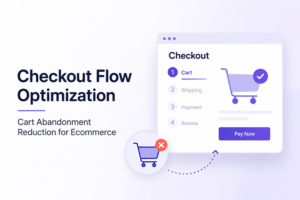
4. Checkout Friction
Extra form fields, forced account creation, hidden fees, and unclear payment trust badges reduce checkout completion.
The mechanism is cognitive load. Each added step creates abandonment risk.
Fixes that often work:
- guest checkout
- express pay options
- address auto-fill
- show total cost early
5. Poor On-Site Search Relevance
Users who search often have stronger purchase intent than browsers. If internal search returns weak results, you lose high-value buyers.
Improve:
- typo tolerance
- synonym mapping
- merchandising rules
- zero-result recovery pages
See related guide: Top Tools for Improving Search Relevance in Ecommerce
6. Discounting Without Margin Control
Many brands use blanket discounts to lift sales, but this can destroy contribution margin.
Instead of sitewide offers, use segmented incentives:
- first-order only offers
- bundle discounts
- free shipping thresholds
- win-back promotions for dormant users
This preserves margin while maintaining demand.
7. Low Repeat Purchase Rate
Acquisition costs continue to rise. Profit usually comes from the second and third order.
See what Revvy finds in your own store, no card required.
If repeat purchase is weak, look at:
- replenishment timing
- post-purchase email journeys
- loyalty economics
- cross-sell relevance
Read more: Most Important Ecommerce KPIs
8. Broken Pricing Psychology
Small pricing changes can materially improve conversion without cutting margin.
Examples:
- $49 performs better than $52 due to threshold perception
- 3-pack bundles can outperform single-item discounts
- annual billing reduces churn in subscription models
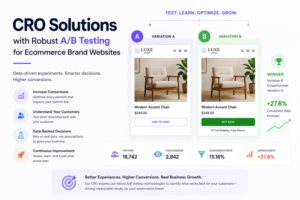
Test pricing with controlled experiments, not guesswork.
9. No Prioritization System
Many teams know problems exist but fix random things. That delays ROI.
Use an impact framework:
- Revenue affected
- Ease of implementation
- Confidence from data
This is where Revvy Ai is useful. It audits your store, finds what is killing sales, and shows exactly what to fix first.
Real Example of Profitability Recovery
A store spending heavily on ads had stable traffic but declining margin. Analysis showed:
- 38% mobile exit rate on product pages
- checkout drop after shipping fees displayed late
- repeat buyers not receiving replenishment emails
After fixing those three issues, conversion rate improved and CAC efficiency rose. No extra traffic was required.
FAQ: How to Improve Your Store Profitability: 9 Hidden Leaks Costing You Sales
Usually improving conversion rate on existing traffic. Fix product page friction, checkout abandonment, and weak traffic intent first.
Use analytics, heatmaps, funnel reports, and automated auditing tools like Revvy Ai.
No. If conversion efficiency is poor, more traffic can scale losses.
Revenue per visitor, blended CAC, gross margin, repeat purchase rate, and checkout completion rate together give a stronger picture than traffic alone.
If you want to master how to improve your store profitability, stop treating growth as a traffic-only problem. Most stores already have enough visitors to grow. What they need is a cleaner system that converts more of them profitably.
Audit the leaks, prioritize high-impact fixes, and let Revvy Ai surface what is silently costing you sales.