Your competitors are converting the same traffic you’re getting. The difference is they know exactly where their store is leaking money.
Most Shopify store owners treat conversion rate optimization like a one-size-fits-all checklist. They install a trust badge here, tweak a button color there, and wonder why their numbers barely move. The truth is, CRO strategies that work for a fashion boutique can actively hurt a supplements store. Your category determines your customer’s psychology, their objections, and the exact friction points standing between a browser and a buyer.
Why CRO Strategies Must Match Your Store Category
Before diving into tactics, it’s worth understanding why category-specific CRO matters so much. A shopper buying a $12 phone case needs almost zero convincing. A shopper spending $380 on a skincare routine needs ingredient transparency, reviews, and a clear return policy before they’ll commit.
Baymard Institute research consistently shows that the average cart abandonment rate sits around 70%, but the reasons vary sharply by product type. Fashion stores lose people at sizing uncertainty. Supplement brands lose them at ingredient skepticism. High-ticket furniture stores lose them to shipping anxiety.
If you’re applying generic CRO advice to a category-specific problem, you’re leaving money on the table every single day.
Wondering why your store isn’t converting despite decent traffic? Find every trust gap, friction point and drop-off in your store and get a fix list you can act on today.
Different Store Categories
1. Fashion and Apparel Stores
The single biggest conversion killer in fashion is sizing uncertainty. Shoppers don’t fear the price. They fear buying the wrong fit and dealing with returns. The stores winning in this category have invested heavily in reducing that fear.
Size guides alone aren’t enough anymore. The highest-converting apparel stores now include model measurements alongside product photos, show items on multiple body types, and use customer-submitted photos as a form of social proof. Video content showing how fabric drapes and moves has also become a genuine conversion driver, not just a nice-to-have.
On the checkout side, a clear, friction-free return policy displayed before checkout, not buried in the footer, can lift conversions significantly. Shoppers need to know the risk of buying is low before they’ll take it.
Learn more about how social proof builds buying confidence in competitive categories.
2. Health, Wellness and Supplements
This is arguably the most scrutinized category in ecommerce. Customers in this space are skeptical by default, and rightfully so. The biggest CRO lever here is trust infrastructure and most stores get it wrong.
Third-party testing certifications, transparent ingredient sourcing, and real before-and-after testimonials with specific results outperform generic five-star reviews. Subscription models also convert better when paired with a clear “pause or cancel anytime” message, because commitment anxiety is one of the top objections in this space.
One often-overlooked fix: your product description needs to speak to the outcome, not just the ingredient. “Supports energy levels” is weak. “Formulated for people who feel drained by 2pm” speaks directly to the customer’s lived experience.
3. Home, Furniture and Decor
High-ticket, high-hesitation. That’s the defining dynamic of this category. A customer considering a $600 sofa is running through a mental checklist: Will it fit? Will the color match? What if delivery damages it? Can I return it?
Augmented reality and room visualizer tools have measurably improved conversions for furniture brands that have adopted them. But even without that technology, stores can close the gap with high-quality multi-angle photography, detailed dimension guides with real-world comparisons (“fits comfortably in a 10×12 room”), and proactive shipping transparency.
Delivery anxiety is a silent conversion killer in this category. Stores that clearly communicate delivery windows, packaging standards, and damage policies at the product page level, not just at checkout, see fewer abandoned carts and stronger add-to-cart rates.
See how Shopify store audits uncover hidden friction that standard analytics miss.
4. Digital Products and Courses
The psychology here is completely different. There’s no physical product, so the entire purchase decision rests on perceived value and trust in the creator or brand. The conversion killers are usually unclear value propositions, weak social proof, and checkout pages that feel disconnected from the sales page.
The highest-converting digital product stores lead with transformation, not features. They show who the customer becomes after buying, not just what they get. Testimonials that include specific outcomes (“went from 200 to 4,000 monthly visitors in 90 days”) outperform generic praise every time.
For course creators specifically, a free preview, sample lesson, or lead magnet that delivers immediate value does double duty: it builds trust and captures emails from browsers who aren’t ready to buy yet.
Read more about conversion psychology for Shopify stores and what makes visitors commit.
5. Electronics and Tech Accessories
This category is dominated by comparison shoppers. Your customer has likely already visited three other stores before landing on yours. Winning here comes down to specificity and speed.
Detailed spec comparisons, compatibility checkers, and honest product limitations (yes, actually listing limitations builds trust) are all high-leverage CRO moves. Stores that bundle complementary accessories at the product page level, rather than only at checkout. See stronger average order values without aggressive upsell tactics that feel pushy.
See what Revvy finds in your own store, no card required.
Page speed is non-negotiable in this category. Google’s Core Web Vitals data consistently links faster load times to higher conversion rates, and tech-savvy shoppers are less forgiving of slow stores than any other demographic.
Learn how page speed affects Shopify sales and what to prioritize first.
Every day without fixing your conversion gaps is revenue you won’t get back. Find what’s broken in your store and exactly how to fix it fast
6. Food, Beverage and Consumables
Repeat purchase behavior is the holy grail in this category, and CRO strategy should be built around it from day one. Getting someone to buy once is one challenge, getting them to subscribe or return is where the real revenue lives.
Sampling offers, subscription discounts, and bundle pricing consistently outperform single-unit promotions in this space. The friction point to address is often not the first purchase but the perceived commitment of a subscription. Stores that frame subscriptions as “flexible” rather than “automatic” see meaningfully higher opt-in rates.
Scarcity and freshness cues, batch numbers, harvest dates, limited-run flavors, also drive urgency in a way that generic countdown timers don’t, because they’re rooted in product truth rather than artificial pressure.
Learn how AI-powered CRO tools are helping Shopify stores increase repeat purchase rates.
7. The Common Thread Across Every Category
Regardless of what you sell, the stores consistently outperforming their competitors share one trait: they know exactly where their store is losing customers and they fix those specific points.
Generic CRO checklists fail because they treat every store the same. Eulav takes the opposite approach. It audits your store, identifies the exact friction points killing your sales, and shows you precisely what to fix based on your store’s real performance data. Not guesswork. Not generic recommendations. A clear, prioritized action list built around your category and your customers.
You’ve read the strategies. Now find out which ones your store is missing.
FAQ: CRO Strategies by Store Category That Increase Revenue
Conversion rate optimization is the practice of improving the percentage of visitors who complete a purchase. For Shopify stores, even a 1% improvement in conversion rate can translate to thousands in additional monthly revenue without increasing ad spend.
Start by identifying your customers’ primary objection, is it trust, price, fit, complexity, or commitment? That objection almost always points directly to the friction point you need to remove.
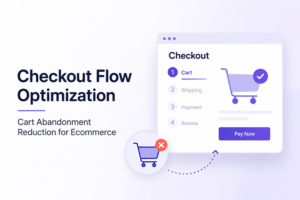
Simple fixes like improving product descriptions, adding social proof, or clarifying return policies can show results within days. Structural changes like checkout flow redesigns typically show measurable impact within two to four weeks.
Most high-impact CRO changes, copy improvements, trust signals, image quality, and layout adjustments can be implemented without development work. Technical fixes like page speed optimization may require a developer.
For most stores, yes, at least initially. Doubling your traffic with a 1% conversion rate still underperforms a store with half the traffic converting at 3%. Fix the leak before you fill the bucket.