Have you ever checked your ad spend at the end of the month and felt your stomach drop?
You put in the budget, the clicks came in, a few orders landed, and then… silence. The moment the money stopped, so did the traffic. For a lot of London ecommerce brands, that is just Tuesday. You are not doing anything wrong. You are just playing a game that is designed to keep you spending forever.
Here is what most marketing guides will not tell you upfront: PPC and SEO are not really competitors. They solve different problems. But one of them builds something that belongs to you, and the other one disappears the moment your card gets declined. If you are tired of feeding a machine that only runs when you pay it, this article is for you.
SEO vs. PPC Ads: What London Ecommerce Brands Actually Need to Know
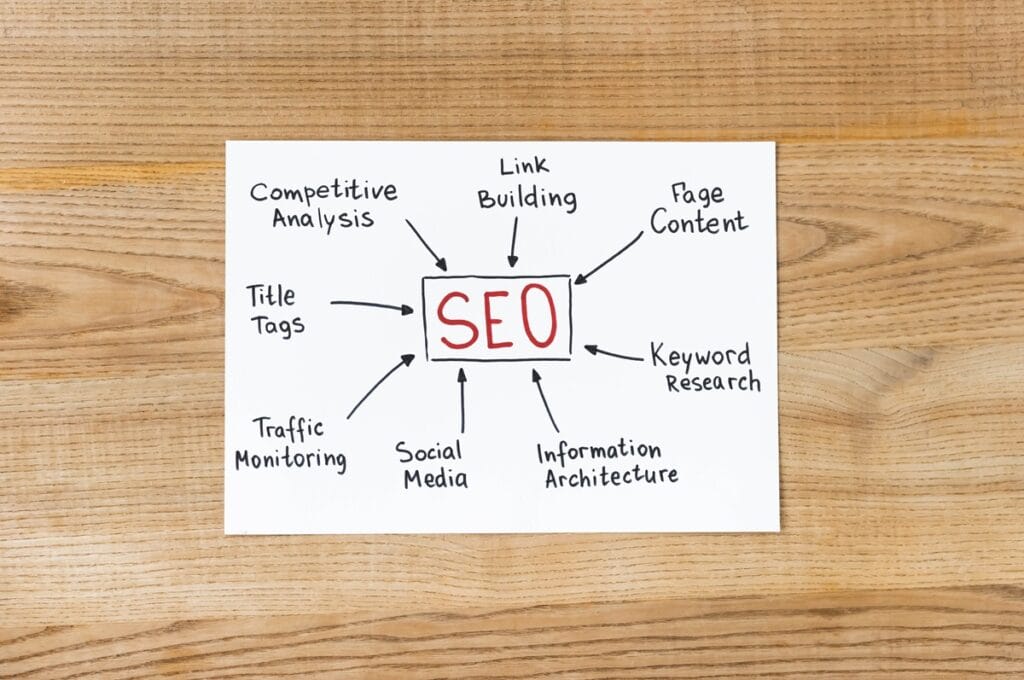
SEO (Search Engine Optimisation) means making your website rank higher on Google without paying for each click. PPC (Pay-Per-Click) means paying Google to show your ad at the top of search results. Both drive traffic, but they work in completely different ways.
Think of it like this:
- SEO is like buying a property. It takes time and effort upfront, but once you own it, it keeps giving back.
- PPC is like renting. You get results fast, but the moment you stop paying, the traffic stops with it.
For London ecommerce businesses competing in a crowded market, knowing which one gives you better return on investment (ROI) can be the difference between growing steadily and just barely surviving month to month.
Find the hidden issues reducing your ROI and get a prioritized list of fixes you can act on immediately.
The True Cost of PPC for Ecommerce Brands
PPC can work brilliantly, especially for product launches, seasonal sales, or testing a new market quickly. But the costs pile up faster than most brands expect. Google reports that the average cost-per-click in UK retail ranges from £0.50 to over £3.00 depending on the keyword. For competitive searches like “buy shoes London” or “women’s dresses UK,” you could easily be paying £2 to £5 per click.
Now consider that most ecommerce stores convert at around 2%. That means for every 100 people who click your ad, roughly 98 of them leave without buying. You paid for all of them.
Multiply that across a full month and your ad spend starts eating into your margins in a way that is hard to recover from. This is why so many London ecommerce brands feel stuck, always spending, rarely scaling.
To understand how to track whether your ads are actually making money, our guide on tracking ecommerce conversions properly is a good place to start before you put more budget in.
Why SEO Delivers Better Long-Term ROI
BrightEdge research found that organic search drives over 53% of all website traffic. For ecommerce brands, ranking on the first page of Google for the right keywords brings in consistent traffic every single month, without paying per click.
Yes, SEO takes longer to show results. Most ecommerce sites start seeing real movement within three to six months. But once your pages rank, that traffic compounds. It keeps growing. You are not paying for each visitor the way you do with ads.
A London fashion brand that ranks for “affordable women’s coats UK” could be pulling in thousands of visitors monthly at zero ongoing cost. That same traffic through PPC might cost thousands of pounds every single month.
The numbers are hard to argue with.
If you want to understand how to start building that visibility, read our practical guide on how to build an ecommerce SEO strategy that converts. It covers keyword research, on-page optimisation, and content planning in steps that actually make sense.
When PPC Actually Makes Sense
PPC is not the enemy. It has a very real purpose, and writing it off completely would be a mistake. It works well when:
- You are launching a new product and need traffic right now
- You are running a limited-time sale or seasonal promotion
- You want fast data on which products or messages convert best
The smartest approach is to treat PPC as a short-term accelerator, not a permanent strategy. Many successful London ecommerce brands run ads while their SEO builds quietly in the background. One generates immediate revenue, the other builds long-term traffic you own.
How to Get More From SEO
Most brands treat SEO like a mystery. They write a few blog posts, tweak some product descriptions, and hope Google notices. It rarely works that way.
The ecommerce brands growing fastest right now are using AI to take the guesswork out of organic search. Eulav AI agent is built specifically for this. It analyses your store, finds high-opportunity keywords your competitors are missing, and helps you create content that ranks without needing a full in-house SEO team or an expensive agency.
For London ecommerce brands already stretched on time and budget, that kind of clarity is genuinely useful. Instead of wondering what to optimise next, you get a clear direction backed by real data.
See what Revvy finds in your own store, no card required.
You can also explore how AI is changing ecommerce SEO for smaller brands to see how other businesses are using it to grow their organic traffic consistently.
Real ROI: A Simple Side-by-Side Comparison
Here is a straightforward look at what £2,000 per month gets you depending on where you put it:
PPC spend of £2,000/month:
- Estimated 800 to 1,500 clicks depending on your niche
- Traffic stops the moment the budget pauses
- Useful data collected, but no lasting asset built
SEO investment of £2,000/month over six months:
- Slower start, but traffic grows month after month
- Once ranked, traffic continues with little extra cost
- Builds domain authority, brand trust, and long-term visibility
The long-term winner is almost always SEO, but only when it is done properly with the right keywords, quality content, and consistent work behind it.
For a more detailed look at measuring what your marketing actually earns you, our article on measuring digital marketing ROI for ecommerce is worth reading before you set your next budget.
FAQ: SEO vs. PPC for London Ecommerce
Most stores start seeing meaningful organic traffic growth within three to six months. Competitive niches can take a little longer, but consistent content and solid technical foundations speed things up.
It can be, especially for launches and seasonal sales. But without a strong conversion rate and careful budget management, it is easy to spend more than you earn back.
Absolutely. Many brands run both together, using PPC for quick wins while SEO builds their long-term traffic. The key is having clear goals for each channel so neither one is wasted.
What is the easiest way to start improving my ecommerce SEO today? Start with your product and category pages since they carry the most commercial intent. Tools like Eulav AI agent can show you exactly which pages need attention and which keywords to go after first.
The Bottom Line
If you are a London ecommerce brand trying to grow without watching your margins disappear into ad spend, SEO is your long game and PPC is your short-term tool. Together, they work well. But relying only on paid ads means you are always one budget cut away from losing all your traffic.
Start building something you own. Use smart tools like Eulav AI agent to make the process faster, and put your energy into traffic that does not vanish the moment you stop paying for it.
Ready to take the next step? Read our guide on ecommerce content marketing strategies that drive organic growth and start building a foundation that lasts.