Ecommerce personalization ai covers a wide range of tactics, from simple product recommendations to fully dynamic page content, not all of it delivers a proportional return.
AI-driven personalization covers a wide range of tactics, from simple “customers also bought” recommendations to fully dynamic page content that changes per visitor. Not all of it delivers a proportional return, so it’s worth separating what tends to work from what tends to just add complexity.
Ecommerce personalization AI: what reliably works
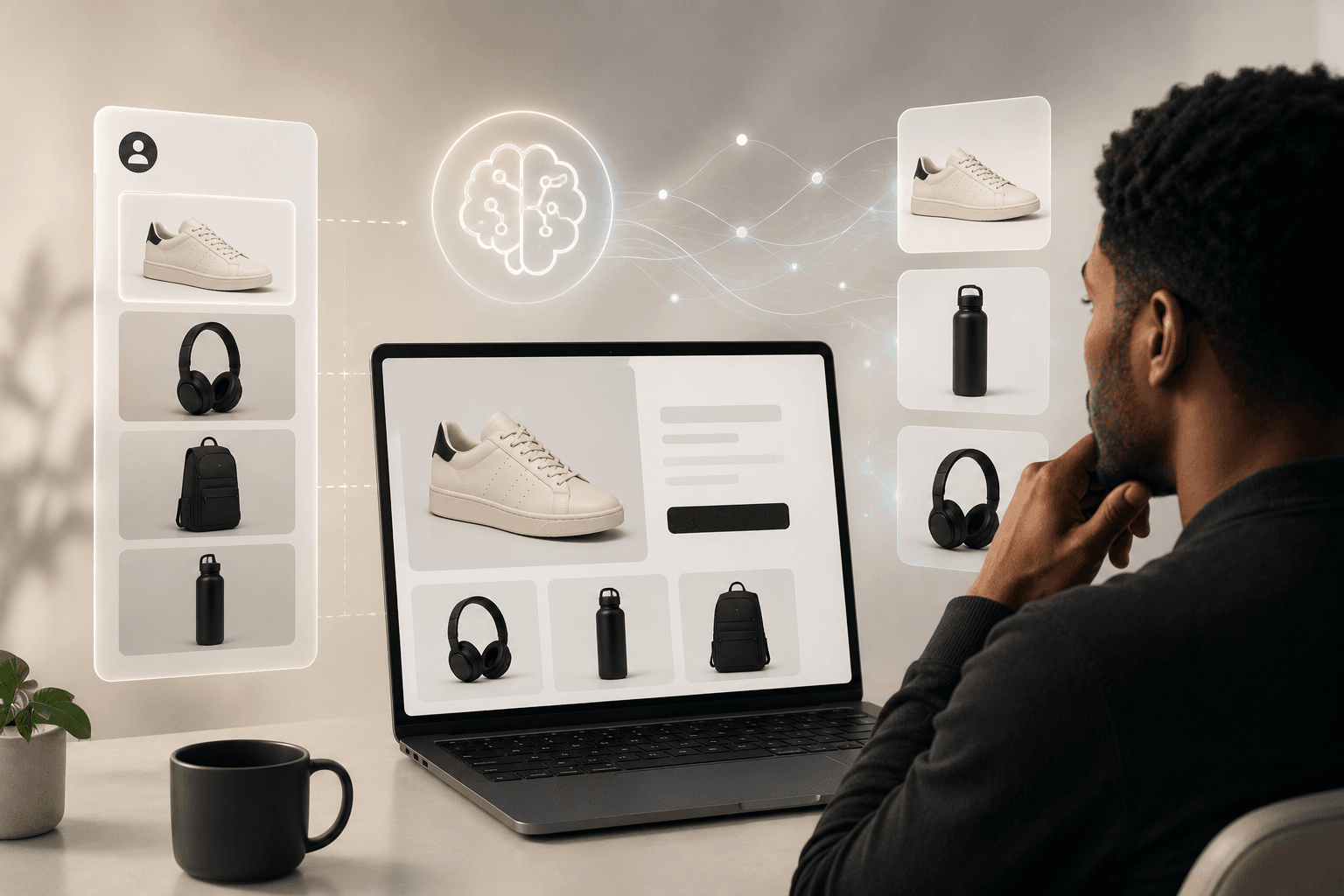
- Product recommendations based on browsing behavior, the most mature, well-tested form of personalization, with a long track record
- Cart-based upsells, showing relevant add-ons at the moment of highest purchase intent
- Returning-visitor recognition, surfacing recently viewed items or picking up an abandoned cart
What tends to underdeliver
Heavily dynamic homepage content that changes per segment sounds appealing but is hard to test properly, with content changing per visitor, isolating what actually caused a conversion lift becomes difficult. It also multiplies the number of experiences you need to QA and maintain.
The measurement problem
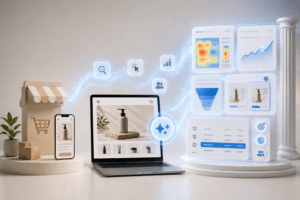
Personalization tools often report their own lift numbers, and those figures deserve some skepticism, a personalization engine measuring its own impact has an obvious incentive to report favorably. Independent A/B testing against a true control group is the only reliable way to know if a given personalization tactic is actually paying for itself.
Where this connects to CRO more broadly
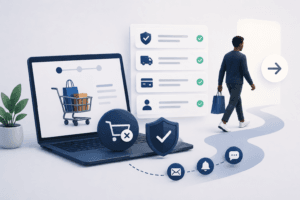
Personalization is one lever inside a broader CRO practice, not a replacement for fixing fundamental friction. A personalized product recommendation doesn’t help much if checkout itself is losing 70% of carts. Fix the funnel basics first, see the CRO checklist, before layering on personalization.
Stay grounded in real results.
Let real data guide the next step.
Start narrow, measure honestly, expand from there.
Match the sophistication of your approach to the actual size of your customer base.
Revisit this evaluation as your catalog and customer base grow, since what works changes with scale.
Keep the customer experience, not just the metric, as the ultimate test of whether any personalization tactic is genuinely working.
Measure personalization’s impact on repeat purchase rate, not just single-session conversion, its real value often shows up more in long-term customer relationship quality than in any one transaction.
As personalization tooling becomes more accessible even to smaller stores, the differentiator increasingly isn’t whether you personalize, but how thoughtfully, stores that personalize based on genuine signal outperform those applying it broadly just because the capability exists.
Personalization done well should feel helpful, not invasive, a useful gut check is whether you’d be comfortable explaining exactly why a customer saw a specific recommendation if they asked. If the answer feels uncomfortable, the underlying logic likely needs revisiting.
Auditing for personalization gone wrong
Periodically check what your personalization system is actually showing different customer segments, an algorithm optimizing purely for short-term clicks can drift toward showing certain segments lower-quality or heavily discounted products, which may hurt brand perception even while technically improving a narrow metric.
A reasonable starting point
Begin with simple, well-tested personalization, product recommendations and cart-based upsells, before investing in more ambitious dynamic content. These have the strongest track record and the clearest measurement path, making them the safest place to prove personalization is working before expanding further.
Personalization for returning vs. first-time visitors
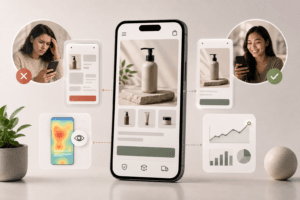
First-time visitors have no purchase history to personalize around, so effective personalization for this segment relies on broader signals, referral source, browsing behavior within the current session, geographic location, rather than the account-based history available for returning customers. Treat these as genuinely separate personalization strategies, not variations of the same approach.
The role of explicit preferences vs. inferred behavior
Some personalization systems let customers explicitly state preferences (size, style, category interest) rather than relying entirely on inferred behavior from clicks and purchases. Explicit preferences tend to be more accurate but require the customer to take an extra step, a tradeoff worth testing rather than assuming one approach is universally better.
A/B testing personalization itself
Don’t assume a personalization feature is working just because it’s live, run it against a true control group (visitors who see standard, non-personalized content) to confirm it’s actually outperforming the baseline, not simply adding complexity without measurable benefit.
Personalization and page load performance
Dynamic, personalized content often requires additional client-side or server-side processing that can slow page load compared to static content. Weigh the conversion benefit of personalization against any measurable page speed cost it introduces, since slow pages independently hurt conversion.
How much personalization data you actually need
Effective product-recommendation personalization typically needs a meaningful volume of historical purchase and browsing data to produce genuinely relevant suggestions, new stores or low-traffic catalogs often see generic or occasionally odd recommendations until enough data accumulates. Don’t judge a personalization tool’s quality in its first few weeks of use.
See what Revvy finds in your own store, no card required.
Privacy-conscious personalization
As cookie-based tracking faces increasing restriction, personalization strategies relying on first-party data (account behavior, purchase history) are becoming more durable than those relying on third-party tracking. Worth confirming any personalization tool you evaluate is built around first-party data specifically.
Common questions about ecommerce personalization
Does personalization require customer accounts?
Not entirely, session-based personalization works for anonymous visitors too, though it’s less precise than personalization built on account history.
Can personalization backfire?
Yes, recommendations that feel inaccurate or intrusive can reduce trust rather than build it. Start conservative and expand based on measured performance.
Is personalization worth it for a small catalog?
Less so, personalization adds the most value when there’s genuine variety for the system to differentiate between; a 15-product catalog has less to personalize around than a 500-product one.
Shopify’s CRO guide makes a similar point: fix core friction before layering on advanced tactics like personalization.
The stores that get the most from ecommerce personalization ai measure it honestly against a real control group.
Related reading
- AI Agents for Ecommerce: Where They Actually Help
- Post-Purchase Upsells: How to Increase AOV Without Hurting Conversion
- Revenue Leakage in Ecommerce: Where Stores Actually Lose Money
Fix the funnel basics before layering on personalization.
See how Revvy handles funnel-wide friction first.