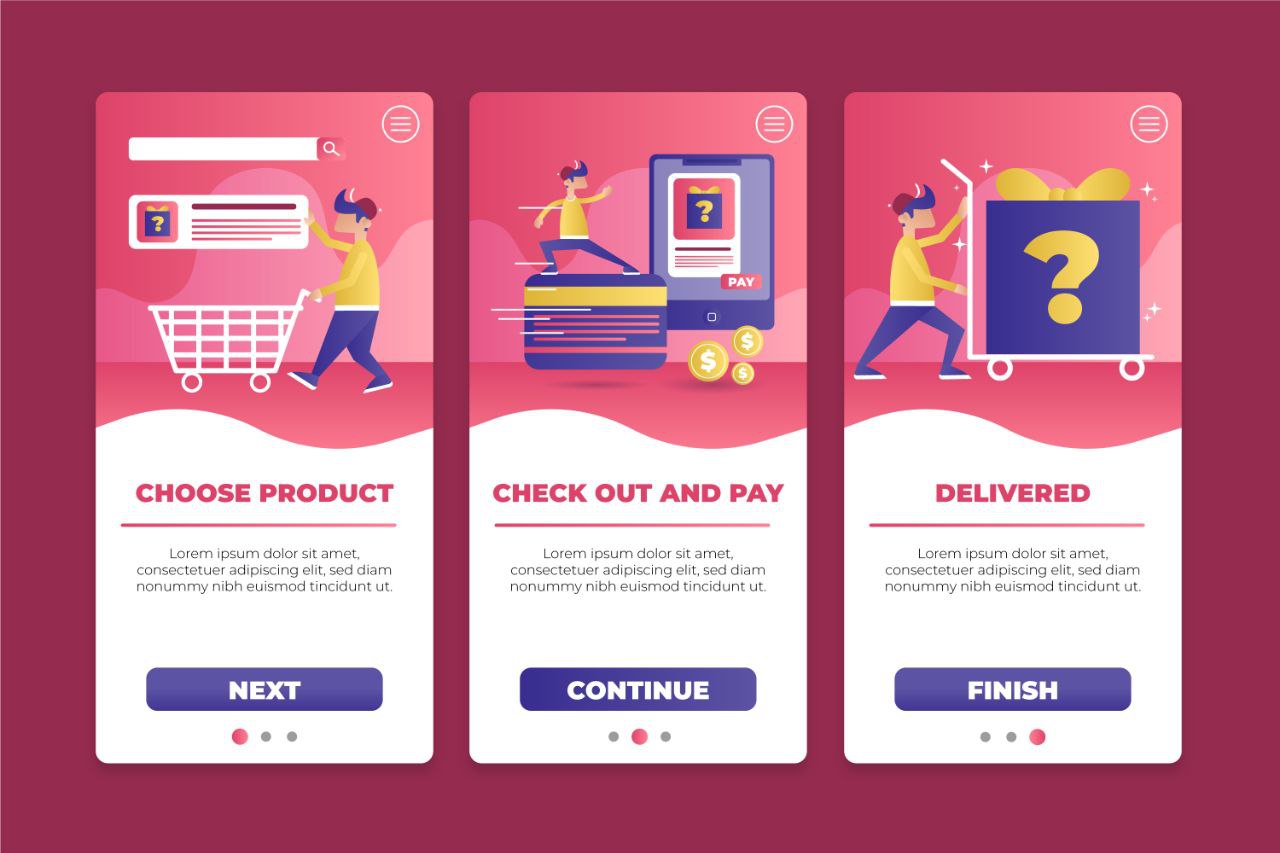
You might be experiencing a silent leak in your checkout process without even realizing it. It’s more common than you think; many e-commerce stores focus on driving traffic and improving product pages but overlook the final, most crucial step: checkout.
According to Sellers Commerce, an average of 70% of online shopping carts are abandoned before purchase, showing just how easily potential sales can slip away at this stage.
The truth is, even small issues like unclear pricing, confusing forms, or unexpected costs can make shoppers abandon their carts in seconds.
That’s where A/B testing comes in. By testing different versions of your checkout page, you can identify what’s working, fix what’s not, and optimize the experience for higher conversions.
Understanding A/B Testing on Checkout Pages
A/B testing is the process of comparing two versions of a page to see which performs better. On checkout pages, it helps you identify which offers, copy, or layouts motivate shoppers to complete their purchase.
You do this by creating two versions of the checkout page. Version A is your current page. Version B includes one or more changes, such as a different discount, free shipping offer, or call to action.
By sending traffic to both versions and measuring conversions, you can see what resonates best with your audience. The main goal is to improve the conversion rate, which is the percentage of visitors who complete a purchase.
Step 1: Identify Key Offers to Test
Before running tests, you need to decide what offers you want to experiment with. Some common checkout page offers include:
- Free shipping
- Percentage or fixed discounts
- Buy one get one (BOGO) offers
- Free gifts with purchase
- Limited time promotions
Focus on one variable at a time to get clear results. Testing multiple variables at once can make it difficult to understand which change caused the improvement.
Step 2: Set Clear Goals and Metrics
Each A/B test should have a measurable goal. For checkout pages, consider these metrics:
- Conversion rate of the checkout page
- Average order value
- Cart abandonment rate
- Click-through rate on call-to-action buttons
By defining your goals in advance, you can measure the success of the test objectively and avoid making decisions based on incomplete data.
Step 3: Segment Your Audience
Not all shoppers behave the same way. Segmenting your audience can provide deeper insights into how different groups respond to offers. Examples of segmentation include:
- New vs returning customers
- High-value customers
- Visitors from specific traffic sources
- Customers using mobile versus desktop
Segmented testing ensures your results reflect specific customer behavior and allows you to tailor offers more effectively.
Step 4: Design Your Test Carefully
A well-designed A/B test reduces bias and ensures reliable results. Keep these best practices in mind:
- Change only one element per test to isolate the effect.
- Use a large enough sample size to achieve statistical significance.
- Test for a long enough period to account for daily and weekly traffic fluctuations.
- Randomly assign visitors to each version to avoid biased results.
Testing checkout offers requires precision because even small changes can significantly impact sales.
Step 5: Analyze Results and Iterate
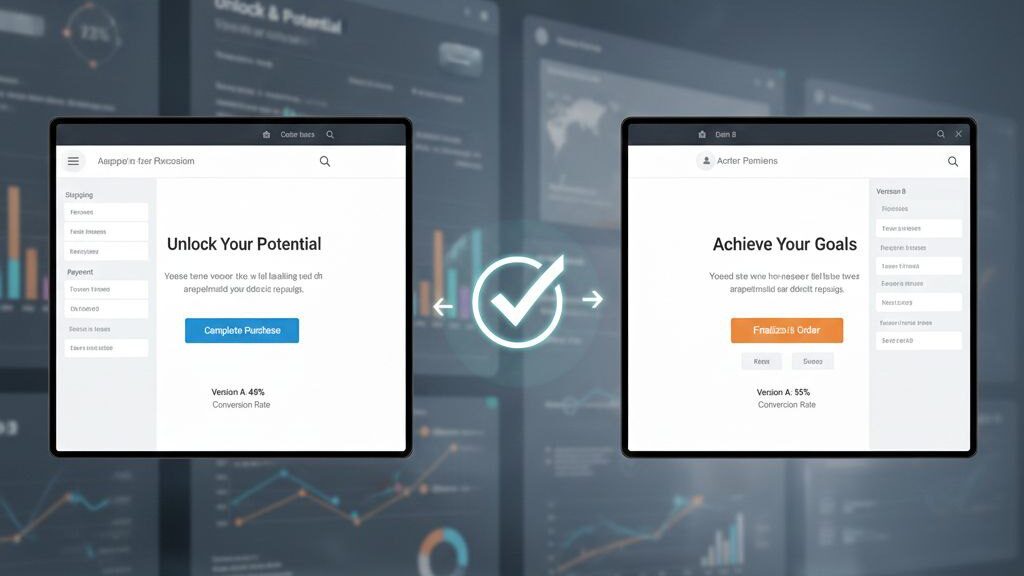
Once the test is complete, analyze the results carefully. Look at:
- Which version had a higher conversion rate
- How offers impacted average order value
- Any unexpected behavior or drop-offs
Even if a change does not improve conversions, it gives you insights for future tests. Continuous iteration is the key to optimizing checkout pages over time.
A/B testing your checkout page offers is one of the fastest ways to improve conversions and boost revenue. By comparing different offers, observing customer behavior, and refining based on data obtained, you can optimize what truly drives sales.
See what Eulav finds in your own store. Start with free opportunity finding and 2 tests.
Tools like Eulav help by tracking visitor behavior in real time, segmenting audiences, and recommending the best-performing offer variations so you eliminate any guesswork.
With the right approach, your checkout tests become clear, reliable, and focused on increasing conversions.
Where Eulav fits
Make the most of every visit and see a measurable lift in your first 30 days, or get a refund. Eulav is an AI-powered revenue optimisation platform for ecommerce brands, including Shopify stores, built by a team with over a decade in DTC revenue optimisation. It scans your store, shows where you can sell more, including any hidden blockers, and measures each optimisation you approve. Each optimisation is shown to some of your visitors first, and nothing goes live without your approval.
Spending on traffic? Whether a visit came from paid, organic or email, Eulav helps it convert, so your traffic spend earns more. At 1,000 visits, lifting conversion from 2% to 2.5% turns 20 orders into 25, with no extra ad spend.
Built for your category: Shopify CRO for fashion, beauty, supplement, jewellery, footwear brands. Comparing tools? See alternatives to Intelligems, Shoplift, Hotjar, Convert.
Make the most of the traffic you already invest in. Start with free opportunity finding and 2 optimisations. No card, 60-second setup.