Why are some ecommerce stores scaling fast while others struggle to convert traffic into sales?
Most brands invest heavily in traffic acquisition but ignore what happens after the click. That is where conversion rate optimization comes in. The truth is, not all ecommerce stores behave the same. Each category has unique user intent, friction points, and buying triggers.
If you apply the same CRO strategy across all store types, you will lose revenue. But when you align CRO with your store category, results compound quickly.
Let’s break it down.
Pro Tip:
Let our AI agent analyze your ecommerce store type, uncover category-specific conversion gaps, and deliver a tailored CRO strategy that actually drives sales.
Different Categories of Ecommerce Stores and How CRO Differs
Understanding the different categories of ecommerce stores is the first step to improving performance. Each model has a different buyer journey and conversion logic.
1. Single-Product Stores
These are brands focused on selling one flagship product. Think DTC brands with strong storytelling.
The biggest CRO mistake here is weak product positioning. Users land on the page and do not immediately understand why the product is worth buying.
High-performing single-product stores focus on:
- Above-the-fold clarity with strong value propositions
- Visual storytelling that replaces long explanations
- Trust stacking through reviews, UGC, and proof points
A strong reference point is how brands optimize storytelling and product clarity in ecommerce product page optimization strategies.
CRO Insight
Instead of adding more content, remove friction. Simplify decision-making with structured sections like benefits, proof, and outcomes.
2. Multi-Category Ecommerce Stores
These include marketplaces or large catalog stores with multiple product categories.
The biggest issue here is navigation friction. Users get overwhelmed and drop off.
To fix this, CRO should focus on:
- Intelligent category structuring
- Search optimization with predictive suggestions
- Personalized product recommendations
You can see how large stores improve navigation and discovery in AI-powered ecommerce personalization techniques.
CRO Insight
Your navigation is your sales funnel. Poor structure equals lost revenue.
3. Subscription-Based Ecommerce Stores
Subscription brands rely on recurring revenue. Think skincare, supplements, or SaaS-like ecommerce.
The biggest CRO gap here is trust and long-term value clarity.
Users ask one question: Is this worth committing to?
Winning strategies include:
- Clear subscription benefits vs one-time purchase
- Pricing transparency with savings breakdown
- Lifecycle-based messaging across touchpoints
Many brands improve retention using frameworks discussed in customer retention strategies for ecommerce.
CRO Insight
Do not just sell the product. Sell the outcome over time.
4. Dropshipping Stores
Dropshipping stores often struggle with low trust and high bounce rates.
Users are skeptical. They have seen similar products elsewhere.
To improve conversions:
- Focus heavily on branding and differentiation
- Add delivery clarity and realistic timelines
- Use social proof aggressively
You can explore how brands rebuild trust in competitive markets through conversion-focused ecommerce trust signals.
CRO Insight
Trust is your biggest conversion lever, not pricing.
5. Luxury and High-Ticket Ecommerce Stores
Luxury ecommerce operates differently. The buyer journey is longer and more emotional.
The biggest mistake here is pushing for fast conversions.
Instead, CRO should focus on:
- Premium UX and clean design
- Strong brand positioning and storytelling
- Assisted selling through chat or consultation
Luxury brands often align with strategies from high-ticket ecommerce CRO frameworks.
CRO Insight
You are not selling products. You are selling status and confidence.
CRO Strategies That Work Across All Ecommerce Categories

While each category is different, some advanced CRO strategies cut across all models.
Behavioral Data Analysis
Understanding how users interact with your store is critical.
See what Revvy finds in your own store, no card required.
Instead of guessing, analyze:
- Scroll depth
- Click behavior
- Drop-off points
Many brands use AI-driven tools like Revvy Ai to audit their store and identify hidden revenue leaks. It does not just show data. It shows exactly what to fix based on real user behavior.
Micro-Conversions Optimization
Most brands only track final purchases. That is a mistake.
You should optimize for:
- Add to cart rate
- Product page engagement
- Email signups
These signals tell you where users lose interest.
Dynamic Personalization
Generic experiences do not convert well anymore.
Modern ecommerce stores personalize:
- Product recommendations
- Homepage content
- Offers based on behavior
This is especially effective for multi-category and subscription stores.
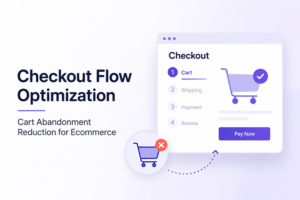
Checkout Optimization
Checkout is where revenue is won or lost.
High-performing stores reduce friction by:
- Removing unnecessary fields
- Offering multiple payment options
- Showing trust badges and guarantees
You can explore deeper checkout optimization strategies in reducing cart abandonment in ecommerce.
Why Most CRO Strategies Fail
Many brands fail because they copy strategies without context.
They apply tactics designed for single-product stores to multi-category stores. Or they optimize for speed when their buyers need more trust.
CRO is not about tactics. It is about alignment.
When your strategy matches your ecommerce category, everything improves:
- Conversion rates increase
- Customer acquisition cost drops
- Revenue scales without more traffic
FAQ: Different Categories of Ecommerce Stores
The main types include:
Single-product stores
Multi-category stores
Subscription ecommerce
Dropshipping stores
Luxury ecommerce
Each has a unique buyer journey and requires different CRO strategies.
Single-product stores often have higher conversion rates because they reduce decision fatigue. However, multi-category stores can generate more revenue at scale.
Start by identifying your store category. Then map your user journey and find friction points. Use tools like Revvy Ai to get data-backed insights instead of guessing.
Focus on:
Product page clarity
Trust signals
Checkout optimization
These three areas usually deliver quick wins.
If you are serious about scaling, you need to stop treating CRO as a one-size-fits-all solution.
Different categories of ecommerce stores require different strategies. When you understand your category and align your optimization efforts, growth becomes predictable.
If you want to go deeper, start analyzing your store with data, not assumptions. Tools like Revvy Ai can help you uncover what is actually stopping users from converting.