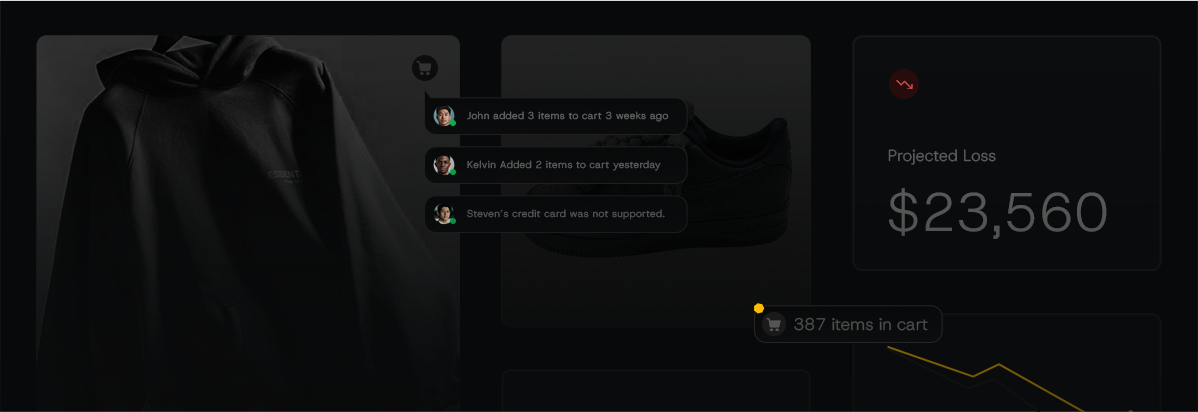
Cart abandonment is not a minor leak. Across ecommerce, the average abandonment rate sits between 60% and 80%, with some Canadian Shopify stores exceeding that range due to tax complexity, shipping friction, and payment gaps. The issue is rarely traffic quality. It is usually conversion friction inside the checkout system.
If you are seeing high add-to-cart activity but low purchase completion, the problem is measurable and fixable. The solution is not guesswork. It is systematic diagnosis of what blocks the final step.
The Real Causes of Cart Abandonment on Shopify Canada
1. Price Shock at Checkout
In Canada, pricing transparency is harder than in many markets. Taxes vary by province. Shipping costs fluctuate based on distance and carrier.
When users see a price jump at checkout, conversion drops sharply. This is not a design issue. It is a cognitive trust issue.
Mechanism:
Users build a mental price expectation on product pages. When checkout introduces unexpected costs, it creates a mismatch between expected value and final cost. That mismatch increases hesitation and exit probability.
Fix:
- Show estimated taxes early using geolocation
- Display shipping ranges before checkout
- Use dynamic pricing previews
2. Slow Checkout Performance
Milliseconds matter. A delay of even 1 to 2 seconds in checkout load time can reduce conversions by over 10%.
Mechanism:
Checkout is a high-intent stage. Any delay interrupts decision momentum. The brain shifts from action mode to evaluation mode, increasing abandonment.
Fix:
- Remove non-essential scripts from checkout
- Audit third-party apps that inject latency
- Optimize Shopify checkout extensibility features
For deeper optimization tactics, see this guide on improving ecommerce site speed and performance.
3. Payment Method Gaps
Canadian shoppers expect flexible payment options. Credit cards alone are not enough. Interac, digital wallets, and buy-now-pay-later tools influence completion rates.
Mechanism:
If a preferred payment method is missing, the friction is not visible until checkout. At that point, the user abandons instead of adapting.
Fix:
- Add region-specific payment options
- Prioritize wallets for mobile users
- Reduce form fields for faster completion
You can explore related conversion friction points in this breakdown of checkout optimization strategies.
4. Weak Trust Signals
Trust is a conversion multiplier. In Canada, where cross-border ecommerce is common, users evaluate legitimacy more aggressively.
Mechanism:
If trust signals are weak, users delay purchase to verify credibility. Delay often leads to abandonment.
Fix:
- Add security badges near payment fields
- Show clear return and refund policies
- Display real customer reviews at checkout
A practical framework is covered in building trust in ecommerce stores.
5. Mobile Checkout Friction
More than 60% of ecommerce traffic in Canada is mobile. Yet mobile checkout conversion is still significantly lower than desktop.
Mechanism:
Small screens increase cognitive load. Long forms, poor spacing, and slow input fields amplify friction.
Fix:
- Enable auto-fill and address prediction
- Reduce steps to a single-page checkout
- Optimize button placement for thumb reach
You can study mobile-specific CRO improvements in mobile ecommerce optimization techniques.
Why Most Fixes Fail
Most Shopify store owners apply surface-level fixes. They tweak button colors or add urgency banners. These do not address root causes.
Cart abandonment is a systems problem. It involves pricing logic, performance, payment architecture, and behavioral psychology.
To fix it properly, you need full-store visibility.
How to Diagnose Cart Abandonment Accurately
Manual audits are slow and incomplete. You miss hidden friction points such as script conflicts, micro-delays, or inconsistent UI behavior across devices.
Mechanism:
- Scans product pages, cart, and checkout flows
- Detects latency sources and UI inconsistencies
- Flags pricing mismatches and trust gaps
- Maps issues directly to revenue impact
Instead of guessing, you get a structured path to improvement.
Advanced CRO Strategies That Move the Needle
Once the root causes are identified, the next step is execution.
Behavioral Trigger Optimization
Trigger-based interventions reduce abandonment at key points.
- Exit intent offers reduce abandonment probability
- Cart reminders within 30 minutes increase recovery rates
- Personalized messaging improves perceived relevance
For more insights, see cart recovery optimization strategies.
Dynamic Checkout Personalization
Not all users behave the same. High-intent users require speed. Low-intent users need reassurance.
Mechanism:
Segment users based on behavior and adjust checkout experience dynamically.
Example:
- Returning users get simplified checkout
- New users see more trust signals
- High cart value users get incentives
Data-Driven Iteration
Conversion rate optimization is not a one-time fix. It is continuous testing.
Mechanism:
Small improvements compound over time. A 5% lift in checkout conversion can translate into significant revenue growth.
See what Eulav finds in your own store. Start with free opportunity finding and 2 tests.
Use structured testing frameworks outlined in ecommerce CRO frameworks.
FAQ: Shopify Cart Abandonment Canada
The main reasons are price shocks from taxes and shipping, limited payment options, and slow checkout performance. These factors disrupt user expectations and reduce trust.
Most stores fall between 60% and 80%. High-performing stores reduce it below 60% through optimized checkout flows and strong trust signals.
Focus on three areas first:
Transparent pricing before checkout
Faster checkout load time
Better payment options
Yes, but timing and personalization matter. Emails sent within 30 to 60 minutes perform significantly better than delayed campaigns.
Final Take
Cart abandonment on Shopify in Canada is not random. It is driven by identifiable friction points across pricing, performance, and trust.
If your store already has traffic and add-to-cart activity, the revenue is already there. The problem is conversion leakage.
Fix the system, and the numbers follow.
Where Eulav fits
Make the most of every visit and see a measurable lift in your first 30 days, or get a refund. Eulav is an AI-powered revenue optimisation platform for ecommerce brands, including Shopify stores, built by a team with over a decade in DTC revenue optimisation. It scans your store, shows where you can sell more, including any hidden blockers, and measures each optimisation you approve. Each optimisation is shown to some of your visitors first, and nothing goes live without your approval.
Spending on traffic? Whether a visit came from paid, organic or email, Eulav helps it convert, so your traffic spend earns more. At 1,000 visits, lifting conversion from 2% to 2.5% turns 20 orders into 25, with no extra ad spend.
Built for your category: Shopify CRO for fashion, beauty, supplement, jewellery, footwear brands. Comparing tools? See alternatives to Intelligems, Shoplift, Hotjar, Convert.
Make the most of the traffic you already invest in. Start with free opportunity finding and 2 optimisations. No card, 60-second setup.