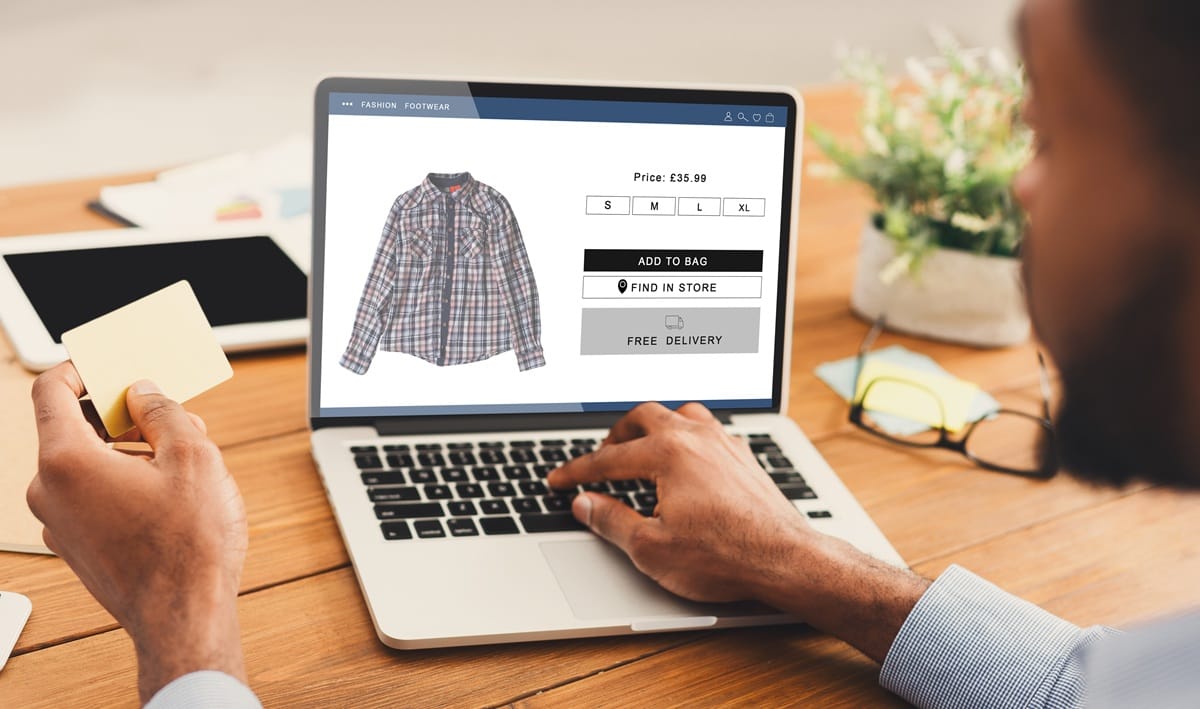
You have built a great product. You are running ads. Traffic is coming in. But sales are still falling short. If that sounds familiar, the problem is almost never the product.
Most of the time, shoppers are leaving right at the finish line, during the online checkout flow. A confusing form, a surprise shipping fee, or a page that loads slowly on mobile is enough to lose a sale that was almost done. And every lost checkout is real money walking out the door.
The good news is that this is fixable, and you do not need to rebuild your store from scratch to fix it. The right ecommerce checkout tools can show you exactly where shoppers are dropping off, help you reduce friction, and recover sales you are currently leaving behind.
Why Your Online Checkout Flow Is Losing You Sales
Before looking at tools, it helps to understand the size of the problem. Research from the Baymard Institute consistently shows that over 70% of online shopping carts are abandoned before a purchase is completed. That means seven out of ten people who show strong intent to buy still walk away.
The reasons are well-documented. Unexpected shipping costs trigger immediate abandonment. Forcing shoppers to create an account before they can pay adds friction that most people will not accept. Long checkout forms with too many fields feel like work, and no one wants to do paperwork when they are trying to buy something.
On mobile, these problems are even worse. Checkout drop-off on mobile tends to be significantly higher than on desktop, because small screens make long forms and slow pages even harder to deal with.
The tricky part is knowing which specific problem is hurting your store. That is where checkout management tools come in. They move you from guessing to knowing.
What Makes a Good Checkout Flow Management Tool
Not all tools are created equal. A useful checkout tool does more than collect payment. It should help you see where people hesitate, what is slowing them down, and what changes will actually move the needle. Here is what to look for:
- Behavioral analytics: Session replays, heatmaps, and funnel tracking that show you what users are doing, not just where they leave.
- Real-time recommendations: Insights delivered in plain language so your team can act without needing a data scientist.
- Mobile visibility: Separate tracking for mobile users, since mobile shoppers behave differently and abandon at higher rates.
- A/B testing support: The ability to test changes before rolling them out permanently.
- Integration flexibility: Works with your existing platform, whether that is Shopify, WooCommerce, Magento, or a custom build.
Generic analytics tools like Google Analytics can tell you that your checkout conversion rate is low. What they cannot tell you is why. You need a tool that bridges that gap.
The Role of AI in Checkout Optimization
AI has changed what is possible for ecommerce brands, especially smaller teams that do not have full-time CRO specialists. Instead of manually reviewing hundreds of session recordings, AI-powered tools can analyze behavior patterns across all your visitors and surface the exact issues causing people to leave.
A tool can tell you that your call-to-action button is below the fold on a specific phone screen size, or that first-time visitors are hesitating at the payment step because there are no trust signals visible. That kind of specific, actionable insight would take a team weeks to find manually.
This is why Eulav stands out among ecommerce checkout management tools. Eulav connects to your existing analytics and goes a layer deeper. Instead of reporting that checkout has a 70% drop-off rate, it explains why and tells you exactly what to move or change.
For one brand, Eulav identified that mobile users could not see the checkout button without scrolling, and that a simple layout fix led to measurable conversion improvements within weeks. For another, it found that pop-ups were triggering before visitors had enough time to engage with the brand, which was reducing confidence and hurting checkout conversion rates.
Key Features to Expect from the Best Checkout Tools
Simplified Form Design and Autofill Support
The average ecommerce checkout in the US contains about 15 form fields. Research consistently shows the optimal number is closer to seven or eight. Every extra field is a reason to quit. The best tools help you identify which fields are causing users to slow down or leave entirely. Combined with autofill support and address lookup, a simplified form can cut checkout time in half for most shoppers, especially on mobile.
Guest Checkout and Flexible Payment Options
Forcing account creation before a purchase is one of the most well-known causes of cart abandonment. Offering guest checkout as a prominent option removes this barrier entirely. Similarly, shoppers today expect to pay with digital wallets, Buy Now Pay Later services, and local payment methods.
Digital wallets now account for more than half of all ecommerce transactions globally. If your store does not support the payment methods your shoppers prefer, they will find a store that does.
Trust Signals at the Right Moments
Many shoppers hesitate at the payment step not because the price is wrong but because they are not confident about security. SSL badges, clear return policies, customer reviews, and estimated delivery dates placed near the checkout button all help remove that hesitation. A good checkout tool will show you exactly where users pause and whether adding a trust element at that point changes their behavior.
Mobile-First Checkout Experience
More than half of all ecommerce traffic now comes from mobile devices. If your checkout experience was designed for desktop, you are building friction into the experience for most of your visitors. Mobile cart abandonment rates tend to be significantly higher than desktop, largely due to long forms, small buttons, slow loading times, and poor layout on smaller screens. The best tools give you a clear view into how mobile users specifically interact with your checkout so you can fix the right things.
Practical Steps to Improve Your Checkout Flow Today
You do not need to overhaul everything at once. The most effective approach is to identify your biggest leak, fix it, measure the result, and move to the next one. Start by reviewing your current checkout funnel step by step. Where does the biggest drop happen? Is it at the cart page, the shipping info step, or the payment page? Once you know the stage, you can diagnose the specific cause.
From there, common high-impact fixes include enabling guest checkout, displaying all costs before the final payment screen, reducing the number of form fields, and making sure your checkout button is clearly visible on mobile without scrolling. These are not complicated changes, but they consistently produce measurable results. For a structured approach, reading through an ecommerce revenue optimization guide can help you prioritize which improvements to make first.
Ready to find out exactly where your checkout is leaking revenue? Try Eulav free and get your first conversion insights in under two minutes. No guesswork. Just clear, data-backed fixes built around your real shoppers.
See what Eulav finds in your own store. Start with free opportunity finding and 2 tests.
FAQs: Best Tools for Managing Online Checkout Flows in Ecommerce
A checkout flow is the series of steps a shopper goes through from adding an item to their cart to completing a purchase. This typically includes reviewing the cart, entering shipping information, selecting a payment method, and receiving an order confirmation. A well-designed checkout flow removes friction and keeps the shopper moving forward without confusion or hesitation.
The most common reasons include unexpected costs like shipping fees appearing at the final step, being forced to create an account before buying, too many form fields, slow page loading on mobile, and a lack of trust signals near the payment step. Most of these are fixable problems, and addressing even one of them can produce a noticeable improvement in your checkout conversion rate.
Standard analytics tools can show you where users leave your funnel, but they cannot explain why. Tools like Eulav analyze visitor behavior across your entire checkout flow and surface specific, actionable reasons for drop-offs. This could be a button that is hard to see on mobile, a form field that causes people to slow down, or a missing trust element at the payment step.
Simple fixes like enabling guest checkout, removing unnecessary form fields, or adding trust badges near the payment button can produce results in days. More structural changes, like a full mobile checkout redesign, may take a few weeks to measure accurately. Most brands that use Eulav and act on its recommendations see measurable improvements in their checkout conversion rate within 30 to 45 days.
Where Eulav fits
Make the most of every visit and see a measurable lift in your first 30 days, or get a refund. Eulav is an AI-powered revenue optimisation platform for ecommerce brands, including Shopify stores, built by a team with over a decade in DTC revenue optimisation. It scans your store, shows where you can sell more, including any hidden blockers, and measures each optimisation you approve. Each optimisation is shown to some of your visitors first, and nothing goes live without your approval.
Spending on traffic? Whether a visit came from paid, organic or email, Eulav helps it convert, so your traffic spend earns more. At 1,000 visits, lifting conversion from 2% to 2.5% turns 20 orders into 25, with no extra ad spend.
Built for your category: Shopify CRO for fashion, beauty, supplement, jewellery, footwear brands. Comparing tools? See alternatives to Intelligems, Shoplift, Hotjar, Convert.
Make the most of the traffic you already invest in. Start with free opportunity finding and 2 optimisations. No card, 60-second setup.