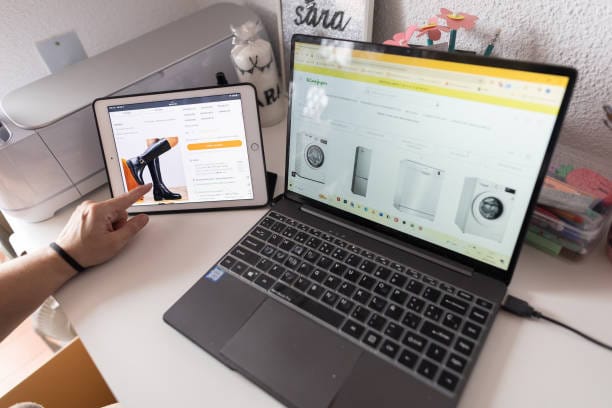
You are getting traffic. Your ads are running. But the sales numbers just do not match. You tweak a headline here, change a button color there, and still nothing moves. Sound familiar? Many online store owners live in this frustrating loop every single day, and the root problem is almost always the same: they do not know exactly where their store is losing money.
That is exactly what a retail store audit is designed to fix. And in 2026, the best way to do one is no longer with a spreadsheet and three hours of manual clicking.
What Is a Retail Store Audit and Why Does It Matter?
A retail store audit is a full review of your online store to find anything that stops people from buying. Think of it as a health check for your business. It looks at your product pages, checkout flow, mobile experience, page speed, and even the words you use on your site.
Most store owners think their site is fine. But data tells a different story. According to industry benchmarks, the average ecommerce conversion rate sits between 1% and 3%. That means for every 100 people who visit your store, up to 99 of them leave without buying. A retail store audit checklist helps you track down those drop-off points one by one.
Without a proper audit, you are guessing. And guessing is expensive, especially when you are paying for ads or spending time on content. A solid audit checklist for retail stores removes the guesswork by replacing it with real data and clear action steps.
What Should a Good Retail Store Audit Software Do?
Not all audit tools are equal. The right retail store audit software should do more than just flag problems. It should explain what the problem means for your sales and tell you how to fix it. Here is what to look for:
- Scans your store automatically without needing manual setup every time
- Ranks issues by how much revenue they are costing you
- Gives clear, specific fixes and not just vague suggestions
- Works alongside your existing tools like Google Analytics or Microsoft Clarity
- Monitors your store continuously so new problems are caught fast
The difference between a helpful tool and a useless one is specificity. A good audit does not say “improve your product page.” It says “your add-to-cart button is below the fold on mobile. Move it 200px up.” That level of detail is what actually gets fixed.
Eulav was built with this exact idea in mind. Instead of giving you a report full of data you do not understand, it tells you what is broken and what to do about it. Setup takes about 60 seconds. You connect your store, and Eulav begins scanning your entire customer journey, from the homepage right through to checkout.
When the Australian Cacao brand plugged into Eulav, the AI discovered that their homepage hero image was 26 megabytes. On a mobile device, the page took so long to load that most visitors bounced before they even saw the product. That one fix alone had a direct impact on their conversion rate.
Eulav also spotted that their product copy used language that only experts understood, which was pushing away first-time buyers. These are the kinds of insights that a manual audit would take weeks to uncover.
The Revenue Leaks Most Store Owners Miss
When store owners think about poor sales, they usually blame traffic quality or pricing. But most of the time, the real culprit is in the store itself. Common ecommerce funnel leaks include slow page load times, confusing navigation, trust issues at checkout, and product pages that do not answer buyer questions.
The checkout page alone is one of the biggest problem areas. A button that is hard to find, a form that asks for too much information, or a missing payment option can kill a sale at the final moment. These are the issues a proper retail store audit will surface every time.
Ecommerce revenue optimization is not just about getting more traffic. It is about making the most of the traffic you already have. Fixing one leak, like a broken mobile layout or a slow product image, can move the needle in ways that no ad campaign ever could.
Why Real-Time Monitoring Changes Everything
A one-time audit is better than nothing. But it is not enough. Stores change. New products get added. Themes get updated. Promotions go live. Any of these can break something that was working perfectly before. That is why continuous monitoring is now a core part of any serious retail store audit checklist.
Eulav never stops watching your store. It catches new issues as they appear and alerts you right away. This means you are not discovering a broken checkout page three weeks after a theme update. You are finding out the same day, which protects your revenue in real time. AI-powered conversion rate optimization like this was once only available to large brands with full CRO teams. Now any store owner can access it.
Real Results From Real Stores
Bailey and Coco used Eulav to fix their store during a volatile post-Black Friday period. Their conversion rate jumped from 3.05% to 3.93%, a 28.9% improvement, almost immediately. Cart-to-checkout improved by 12.7%, and mobile search conversions went up by 46.7%. These were not random wins. They were the direct result of fixing the exact issues Eulav identified.
Another brand saw a 185% revenue increase within 30 days of acting on Eulav’s recommendations. They had good traffic but low sales, and had no idea why. Eulav showed them exactly what was getting in the way. Understanding content testing and optimization is also key, and Eulav makes it easier to know what to test first by ranking issues by impact.
FAQs: Online Retail Store Audit Software
A retail store audit is a review of your online store to find problems that stop visitors from buying. It covers product pages, checkout flow, page speed, mobile experience, and more.
A solid audit checklist should cover page load speed, mobile layout, call-to-action placement, checkout friction points, product description clarity, trust signals, and navigation flow.
See what Eulav finds in your own store. Start with free opportunity finding and 2 tests.
Most tools show you data but leave you to figure out what it means. Eulav tells you exactly what is broken, why it is costing you sales, and what to fix first. It also monitors your store 24/7 so nothing slips through.
Some fixes, like moving a button or compressing an image, can be done in minutes. Most stores see measurable conversion improvements within 30 to 45 days of addressing the issues Eulav identifies.
If your store is getting traffic but not making the sales it should, the answer is not more ads. It is a proper retail store audit. Finding and fixing the specific things that stop people from buying will always deliver a better return than spending more money sending people to a broken experience.
Where Eulav fits
Make the most of every visit and see a measurable lift in your first 30 days, or get a refund. Eulav is an AI-powered revenue optimisation platform for ecommerce brands, including Shopify stores, built by a team with over a decade in DTC revenue optimisation. It scans your store, shows where you can sell more, including any hidden blockers, and measures each optimisation you approve. Each optimisation is shown to some of your visitors first, and nothing goes live without your approval.
Spending on traffic? Whether a visit came from paid, organic or email, Eulav helps it convert, so your traffic spend earns more. At 1,000 visits, lifting conversion from 2% to 2.5% turns 20 orders into 25, with no extra ad spend.
Built for your category: Shopify CRO for fashion, beauty, supplement, jewellery, footwear brands. Comparing tools? See alternatives to Intelligems, Shoplift, Hotjar, Convert.
Make the most of the traffic you already invest in. Start with free opportunity finding and 2 optimisations. No card, 60-second setup.