Are you spending more on ads, SEO, email, or influencer traffic, but sales are not growing the way they should?
That is the exact pain point a Shopify CRO audit is built to solve.
A lot of brands think scaling means “send more traffic.” But if your store already has friction, more traffic simply means you are paying to send more people into a broken buying journey. That is expensive. And for larger ecommerce brands, it gets worse fast.
A Shopify CRO audit helps you find the hidden leaks before you scale. It shows you why people are not buying, where they are dropping off, and what needs to be fixed first so your growth becomes more profitable, not more wasteful.
If you want a faster way to uncover these issues, Revvy Ai can audit your store and uncover the exact friction points hurting conversions.
What a Shopify CRO Audit Actually Does
A proper Shopify CRO audit is not about changing button colors and hoping for the best.
That is beginner-level CRO.
A real audit looks at how your store performs across the full conversion path:
- Homepage and landing page trust architecture
- Collection page product discovery
- Product page persuasion flow
- Cart behavior and hesitation points
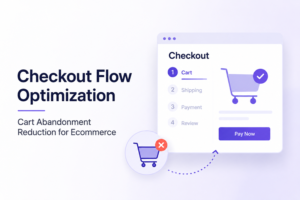
- Checkout friction and mobile completion issues
- Speed, UX, and behavioral drop-off patterns
The goal is simple: remove the blockers that stop buyers from completing a purchase.
Why Scaling Without CRO Usually Hurts Profit
This is where many Shopify brands get trapped.
They improve paid traffic. They improve SEO. They launch more campaigns. But the store itself has not been pressure-tested.
So instead of growth, they get:
- higher customer acquisition costs
- weaker ROAS
- more abandoned carts
- lower conversion efficiency by channel
This is why mature brands do not just ask, “How do we get more traffic?”
They ask better questions:
Where is revenue leaking right now?
That question changes everything.
For example, if your PDP gets strong traffic and decent add-to-cart rates, but checkout completion is poor, your issue is not traffic. It is downstream friction.
If your paid landing pages get clicks but low engagement depth, the issue may be message mismatch, trust sequencing, or poor content hierarchy.
If mobile users bounce faster than desktop users, your real problem may be thumb-zone friction, collapsed trust blocks, or hidden buying triggers.
That is what a Shopify CRO audit helps uncover.
The Technical Layer Most Stores Ignore
Here is where advanced CRO becomes valuable.
A lot of stores already know they need reviews, better images, and cleaner copy. That is not enough for bigger brands.
A high-quality Shopify CRO audit should go deeper into the mechanics of conversion.
1) Information hierarchy
Does your page reveal the right information in the right order?
Many stores overload visitors with detail too early and bury the buying reasons too late. That creates cognitive friction.
Strong CRO pages do not just “look nice.” They guide decision-making in sequence.
2) Trust architecture
Trust is not one badge or one review widget.
It is the full confidence system of your store:
- shipping clarity
- returns visibility
- payment reassurance
- review placement
- contact accessibility
- guarantee framing
In many audits, trust issues appear before product detail issues. That means some stores lose the sale before the buyer even gets deep enough into the page.
3) Mobile conversion behavior
Most stores say they are “mobile optimized.”
But are they actually mobile-convertible?
Those are not the same thing.
A CRO audit should review:
See what Revvy finds in your own store, no card required.
- CTA visibility above the fold
- sticky purchase behavior
- image scroll fatigue
- thumb reach and tap accuracy
- accordion overload
- cart drawer usability
This is where many brands lose serious revenue quietly.
Shopify CRO Audit Areas That Matter Most

If you are running a serious growth program, these are the areas worth auditing first:
Homepage and landing pages
Your first impression must reduce doubt fast. If your value prop, proof, and product path are weak, cold traffic leaks immediately.
Product pages
This is where persuasion happens. A strong PDP should answer intent, reduce uncertainty, and create buying momentum.
Cart and checkout
This is where money is won or lost. Hidden costs, poor shipping communication, weak urgency logic, or slow mobile flow can crush performance.
Channel-to-page alignment
Your paid ads, SEO pages, email campaigns, and influencer traffic should all land on pages that match the intent that brought the user there.
This is why CRO and acquisition should never be treated as separate systems.
Why AI-Powered Audits Are Becoming More Valuable
Manual CRO audits are still useful, but they can be slow, expensive, and inconsistent across large stores.
That is why more brands are moving toward AI-assisted diagnostics.
Use Revvy Ai to identify what is actually hurting conversion performance, from weak product flow to mobile friction and trust breakdowns, without relying on random guesses.
That matters when your team needs to prioritize fixes by business impact, not by opinion.
And that is what smart scaling really looks like.
In summary
If your Shopify store is already getting traffic, your next big win may not come from more reach.
It may come from fixing what is already costing you sales.
A Shopify CRO audit gives you clarity before you scale. It helps you stop wasting paid traffic, improve conversion efficiency, and grow with more confidence.
Before you increase spend, increase certainty.
And if you want to see what your store is leaking right now, start with Revvy Ai.
FAQ: Why Your Shopify Store Needs a CRO Audit Before You Scale
A Shopify CRO audit is a structured review of your store to find friction points that stop visitors from converting into buyers.
Run one before scaling paid traffic, before major campaigns, after a redesign, or when conversion rate stalls.
No. Even strong stores benefit from audits because the goal is not just higher conversion rate.