Shopify conversion rate optimization services typically bundle a store audit, a testing roadmap, and ongoing implementation into one engagement. The quality varies enormously between providers, so it’s worth knowing what should be included before you commit budget to one.
What shopify conversion rate optimization services should include
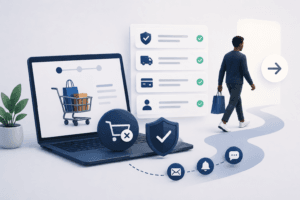
- A full-funnel audit, product pages, cart, checkout, mobile specifically
- A prioritized list of fixes ranked by expected impact, not just severity
- Actual implementation, not just a findings document
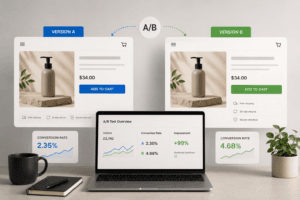
- A/B testing with statistical significance, not “we changed it and sales went up”
What often gets left out
Two things frequently missing from CRO service packages: mobile-specific analysis (most audits are run and reviewed on desktop despite mobile driving the majority of Shopify traffic), and post-launch monitoring. A fix that works in week one can quietly stop working as your catalog or traffic mix changes, good CRO service includes ongoing checks, not a one-time pass.
Pricing shapes what you get
Full-service agencies typically run $2,000–$8,000+ per month. Self-serve tools are cheaper but leave implementation to you. Revvy sits in a different model entirely, pay-as-you-go capacity with no subscription, so cost scales with what you actually use. Details on the pricing page.
How to evaluate any option
Ask for a live example of a fix they shipped, not a case study screenshot. Ask how long from finding an issue to it going live. Ask what happens to test results if you cancel. The answers tell you more than any pitch deck.
Keep this evaluation framework handy for any future provider conversation, not just your first one.
Fit matters more than reputation alone, a well-known provider whose typical engagement size and style doesn’t match your store can underperform a smaller, more attentive provider genuinely suited to your scale.
Whichever service model you choose, keep a simple internal record of what was promised versus what was actually delivered each month. This makes renewal or cancellation decisions straightforward and evidence-based rather than relying on a general impression of whether things feel like they’re working.
Ultimately, the best Shopify CRO service for your store is the one whose scope, pricing, and implementation model actually match your specific situation. Not necessarily the most expensive option, and not necessarily the cheapest. Match the service to your actual constraints rather than a generic notion of what a good service looks like.
Aligning service scope with your growth stage
An early-stage store with modest traffic needs a different service scope than an established Shopify Plus merchant running significant paid acquisition, make sure any proposal is actually scoped to your current stage, not a generic package sold regardless of store size.
Red flags specific to Shopify CRO providers
Be cautious of any provider unwilling to discuss your Shopify plan tier and its specific checkout customization limits before proposing a scope of work. This is basic due diligence any legitimate Shopify-focused provider should do automatically, not something you should have to prompt them to consider.
How services handle Shopify Plus vs. standard Shopify differently
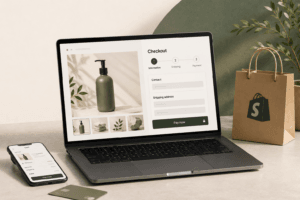
Shopify Plus stores have access to checkout customization that standard Shopify plans don’t, which meaningfully expands what a CRO service can actually implement. If you’re on a standard plan, confirm any proposed checkout changes are actually achievable on your specific plan tier before agreeing to a scope that assumes Plus-level access.
Handling multi-brand or multi-store engagements
If you run more than one Shopify store, ask whether a CRO service prices per-store or offers a genuine multi-store rate, and whether insights from one store’s testing transfer usefully to another. This varies significantly depending on how similar the stores’ audiences and catalogs actually are.
In-house implementation vs. agency-managed implementation
Some services hand you a list of recommended changes for your own developer to implement; others implement directly in your Shopify admin or theme code. The second model moves faster but requires more trust, since the provider has direct access to your live store, confirm they work in a duplicate theme before pushing changes live.
Aligning CRO services with existing marketing spend
If you’re already running significant paid traffic, a CRO service focused specifically on the landing pages and product pages that traffic lands on delivers faster, more measurable ROI than a broad, unfocused audit across your entire catalog, ask any provider how they’ll prioritize based on your actual traffic distribution.
See what Revvy finds in your own store, no card required.
How to structure the first 30 days of a CRO engagement
A well-run first month typically includes: a full-funnel audit in week one, a prioritized fix list by week two, the first round of implementation by week three, and initial results review by week four. If a provider can’t articulate a similar timeline before you sign, that’s worth asking about directly, vague timelines often mean vague accountability later.
Reporting cadence worth expecting
Monthly reporting is standard, but the report itself should tie specific changes to specific outcomes, not just an overall conversion rate trend line, which can be influenced by seasonality, traffic mix shifts, and other factors unrelated to the CRO work itself.
Common questions about Shopify CRO services
Do CRO services include Shopify app recommendations?
Often, though be cautious of providers recommending apps they receive affiliate commissions from, ask directly about any such relationships.
Will CRO services touch my theme code?
Many implementations require theme-level changes. Confirm they’re working in a duplicate/staging theme before pushing to your live store.
How is success measured?
Revenue per session is usually a better metric than conversion rate alone, since it accounts for changes in average order value alongside conversion.
Shopify’s own conversion tactics guide is a useful benchmark for what any service provider should already be covering.
The best shopify conversion rate optimization services are the ones that actually implement, not just recommend.
Related reading
- Shopify Checkout Optimization: The Full Guide
- Shopify A/B Testing: Tools and How to Run One Properly
- How Much Does CRO Cost? A Pricing Breakdown
Skip the proposal call.
Connect your store and see what Revvy finds in minutes, not after a sales cycle.